Wildlife Wander: Mowbray Fields Nature Reserve, Didcot
Distance: approx. 1–1.5 miles (allow 1–2 hours with stops)
Terrain: Generally level, mix of surfaced and grass paths, some sectionscan be muddy after rain
Access: On foot from surrounding paths in Didcot
Facilities: No toilets or café on site; town facilities nearby
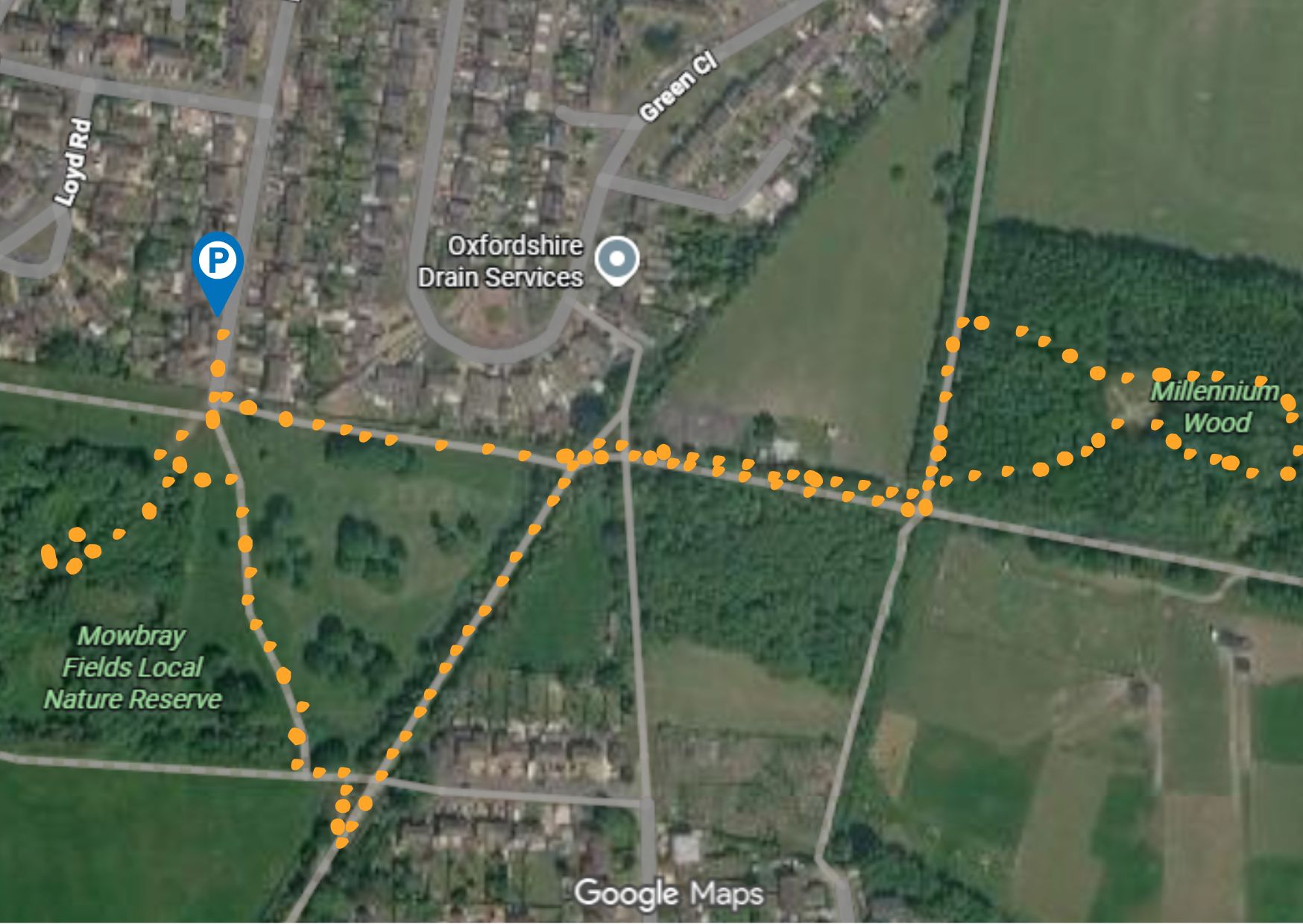
On the edge of Didcot, Mowbray Fields is a small nature reserve and public green space, managed by the Earth Trust, with a variety of different habitats including meadow, parkland, wetland and woodland edge. Complete with a wooden dog agility course, it is a favourite spot for dog walkers too. But have you ever spent the time to notice the wildlife that calls this place home?
“Meadow, wetland and woodland edge come together,creating a space where something is always happening – if you take the time tolook.” Earth Trust
________________________________________

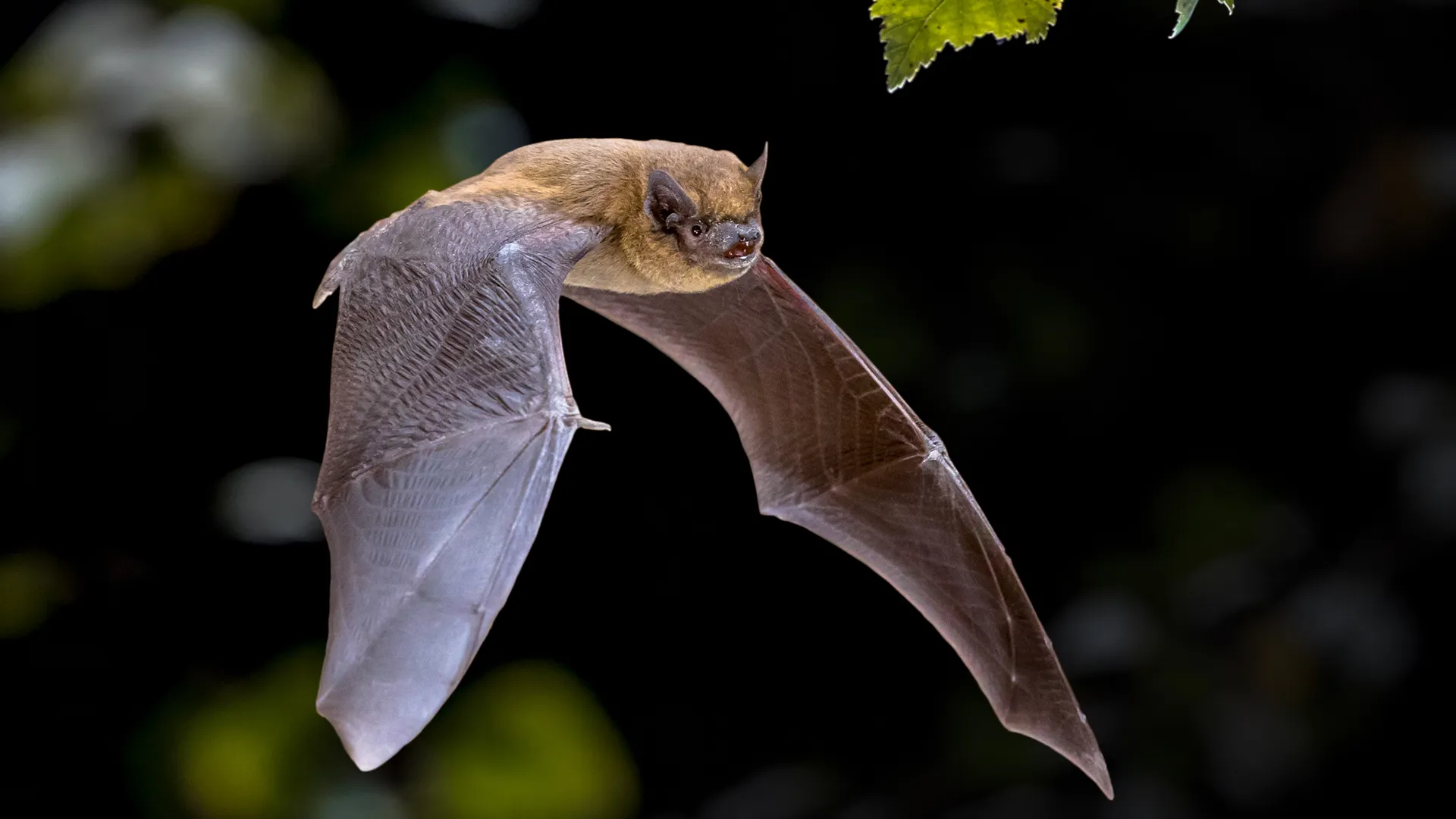
The hawthorn hedge to your right, provides excellent foraging for bats and birds alike. If you come down on a summer evening you may see Pipistrelle bats flitting along the hedge line, foraging for insects. Small woodland birds also call this area home – who can you see and hear singing in the hedgerow? Try using the Merlin App to identify any birdsong.
Species you might see or hear:
• Common Pippestrelle Bat
• Long-tailed Tit
• Robin
• Gold Crest
• Blackbird
________________________________________
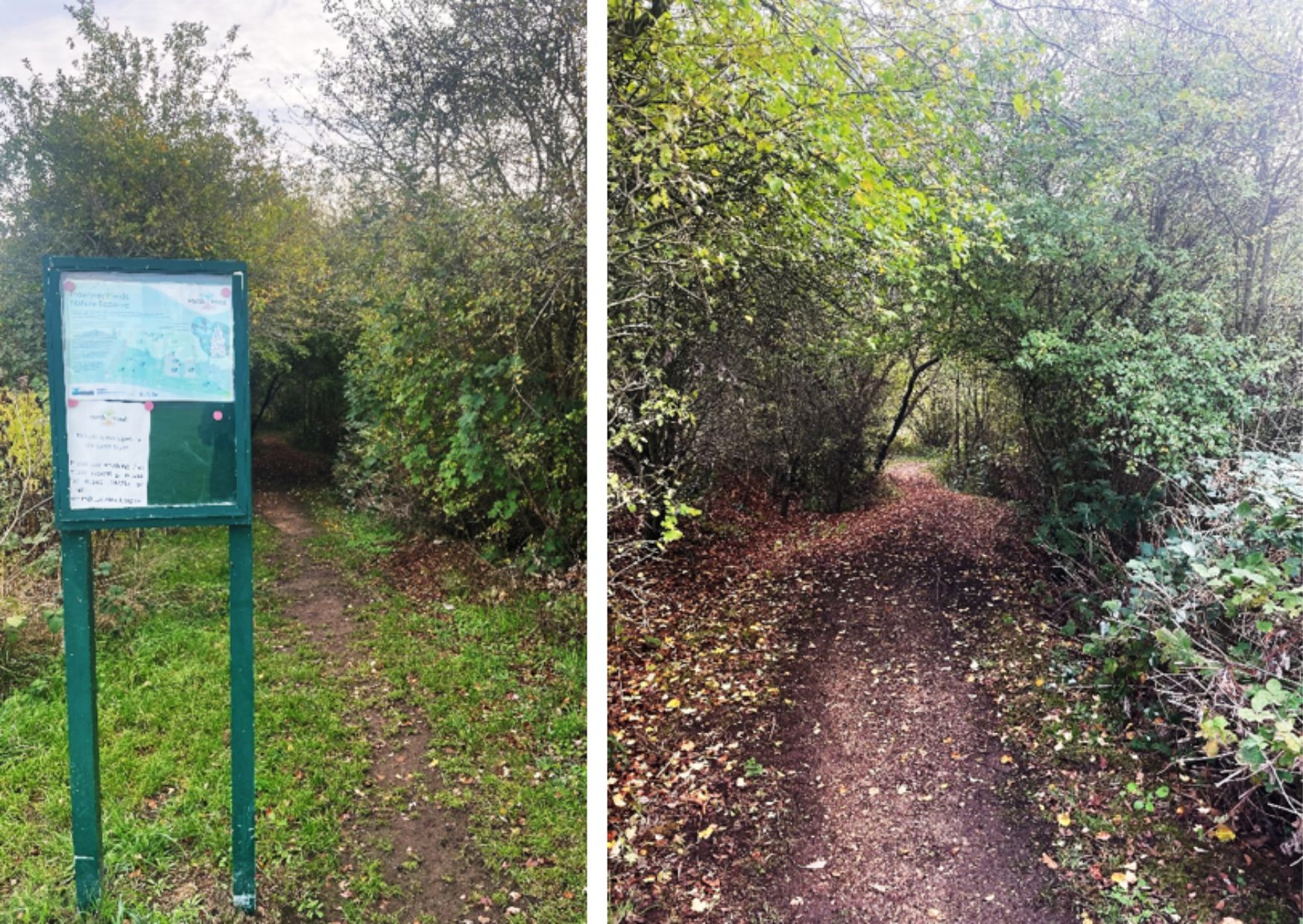
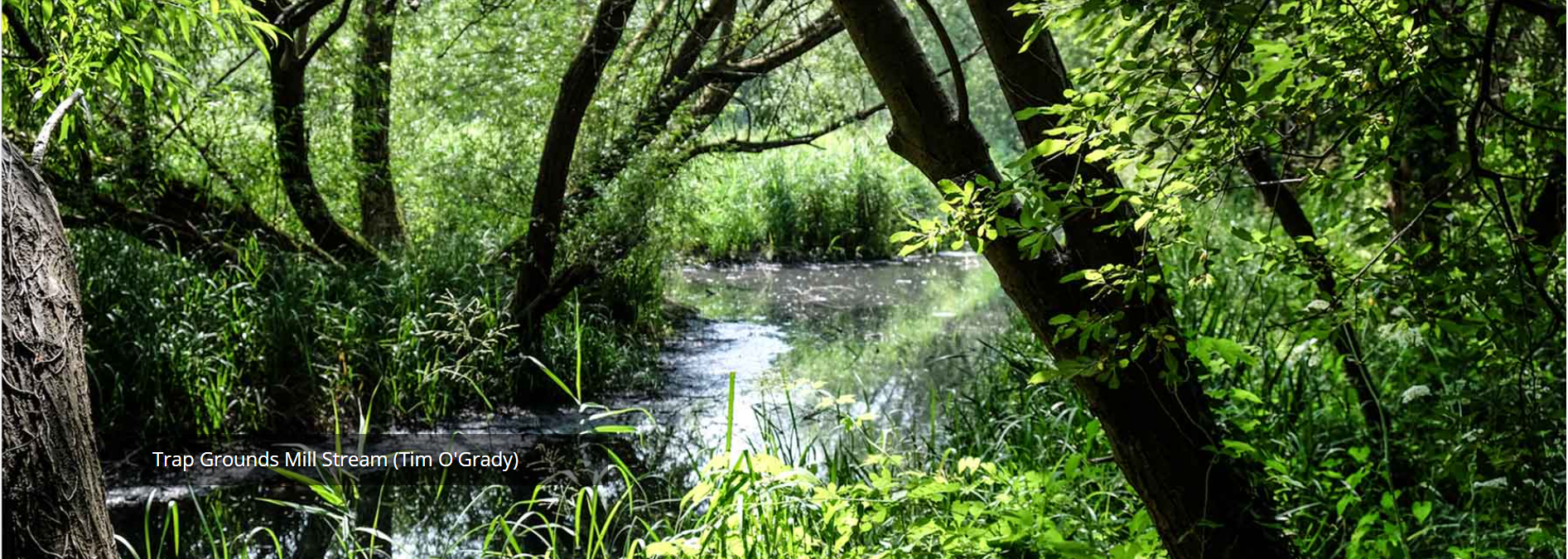
The wet woodland provides an intriguing detour from the main grass paths, with berries and crab apples leading you into a willowy, wet woodland with a small boardwalk at the centre. Amphibians love this habitat, but have you heard the story of old man willow?
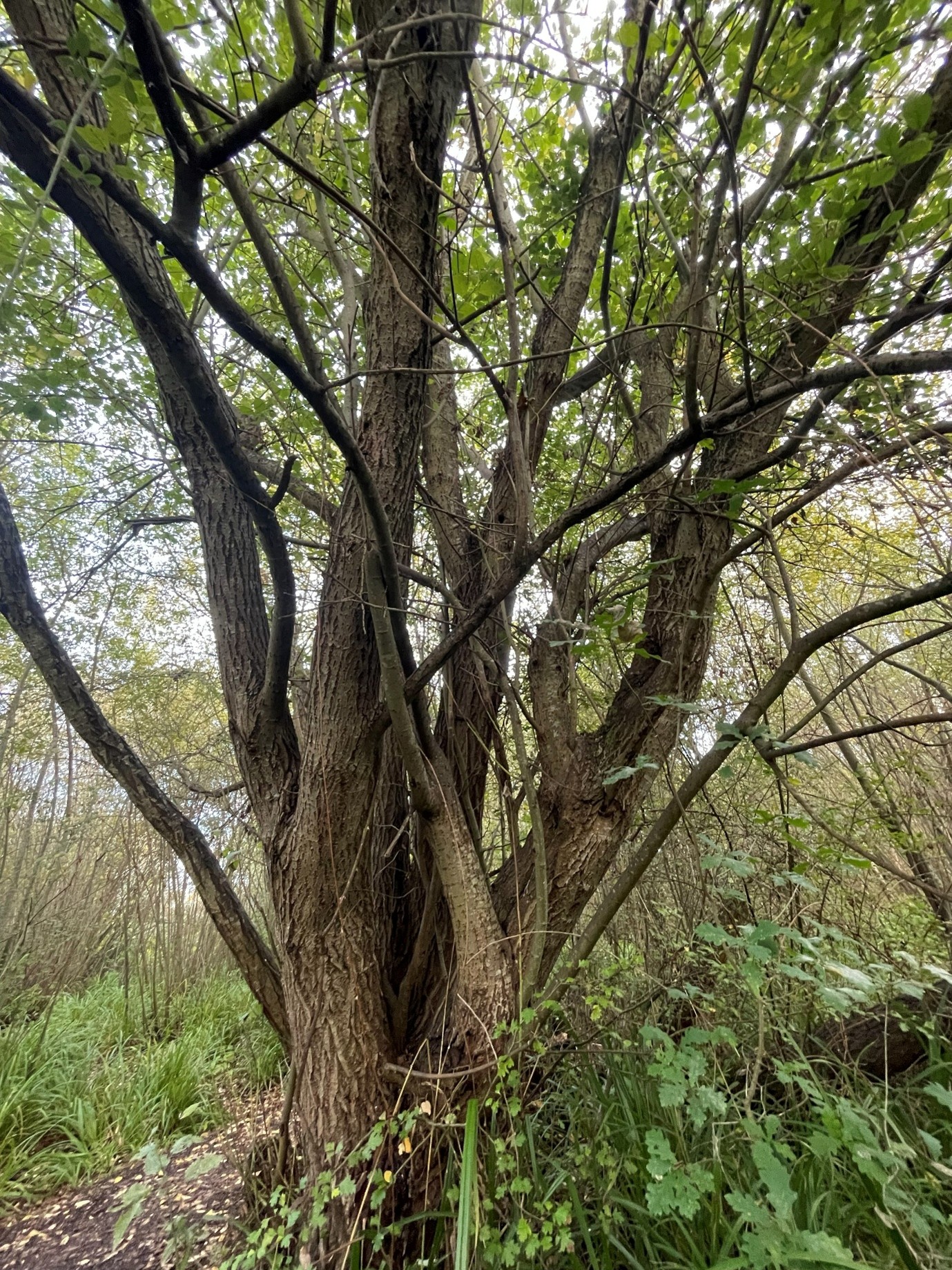
The willow tree has somewhat sinister connotations in English folklore, reflected in Tolkien’s ‘Old Man Willow’ character in ‘The Lord of the Rings’ where the willow spirit causes travellers to fall asleep and then engulfs them. The purpose for making willow trees sound dangerous was perhaps originally to prevent children getting too close to deep water so they wouldn’t drown.
As you stand on the circular board walk, take a moment to count how many different sounds can you hear? How many are made by nature?
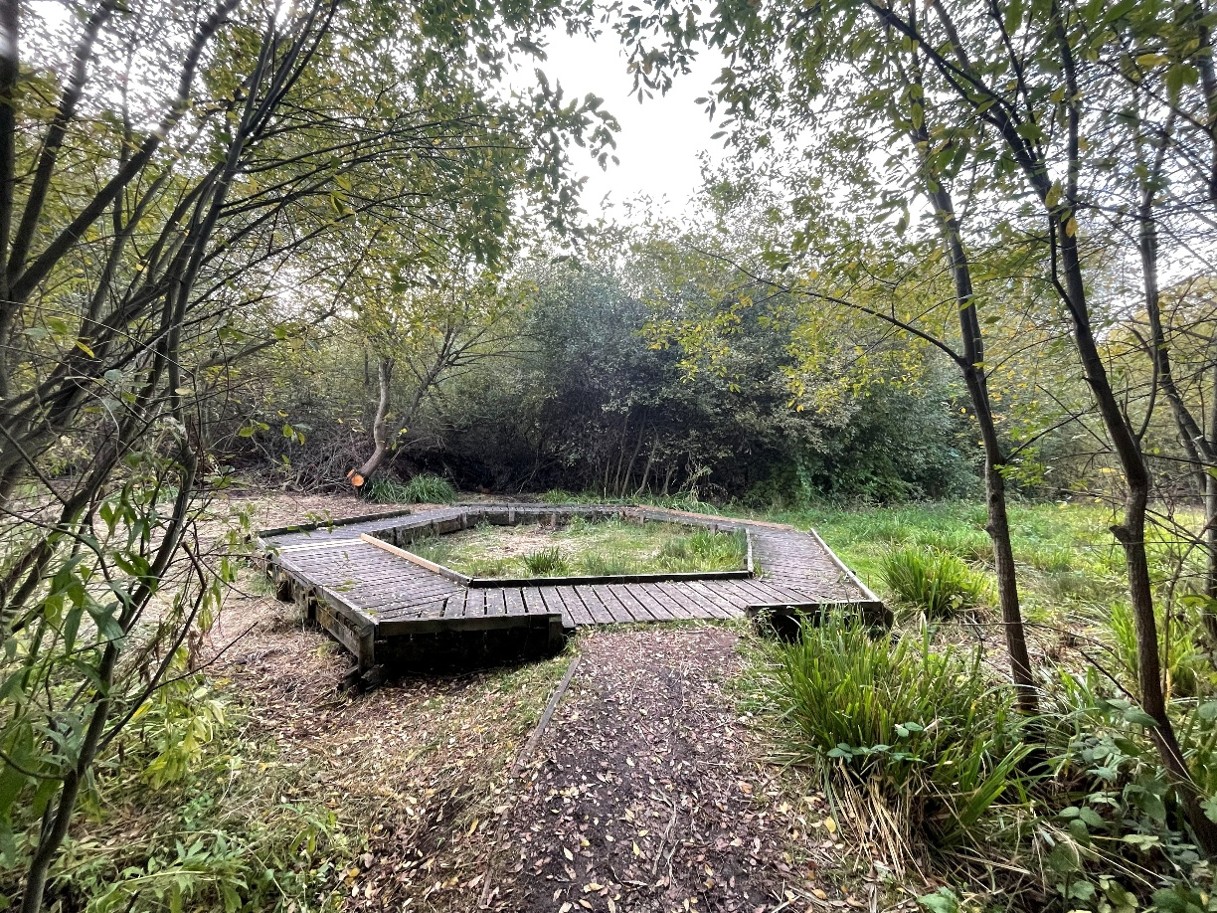
Species you might see or hear:
• Common Frog
• Eurasian Blackcap
• Reed Bunting
• Common Chiff Chaff
________________________________________
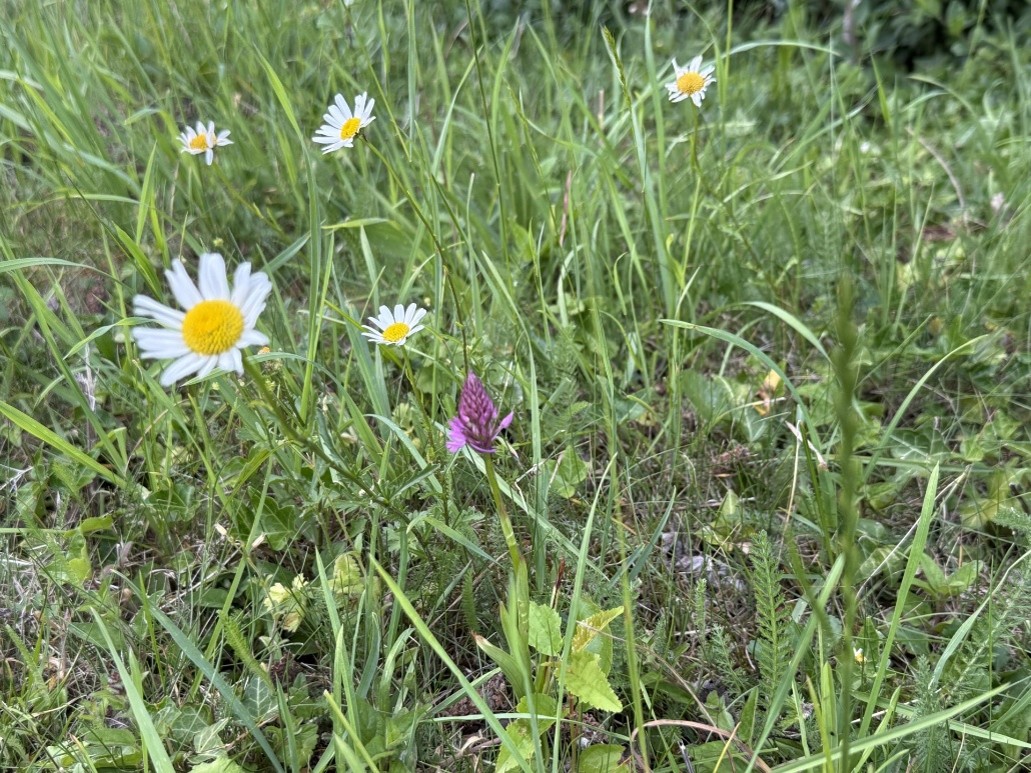
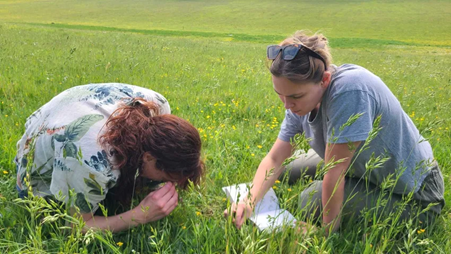
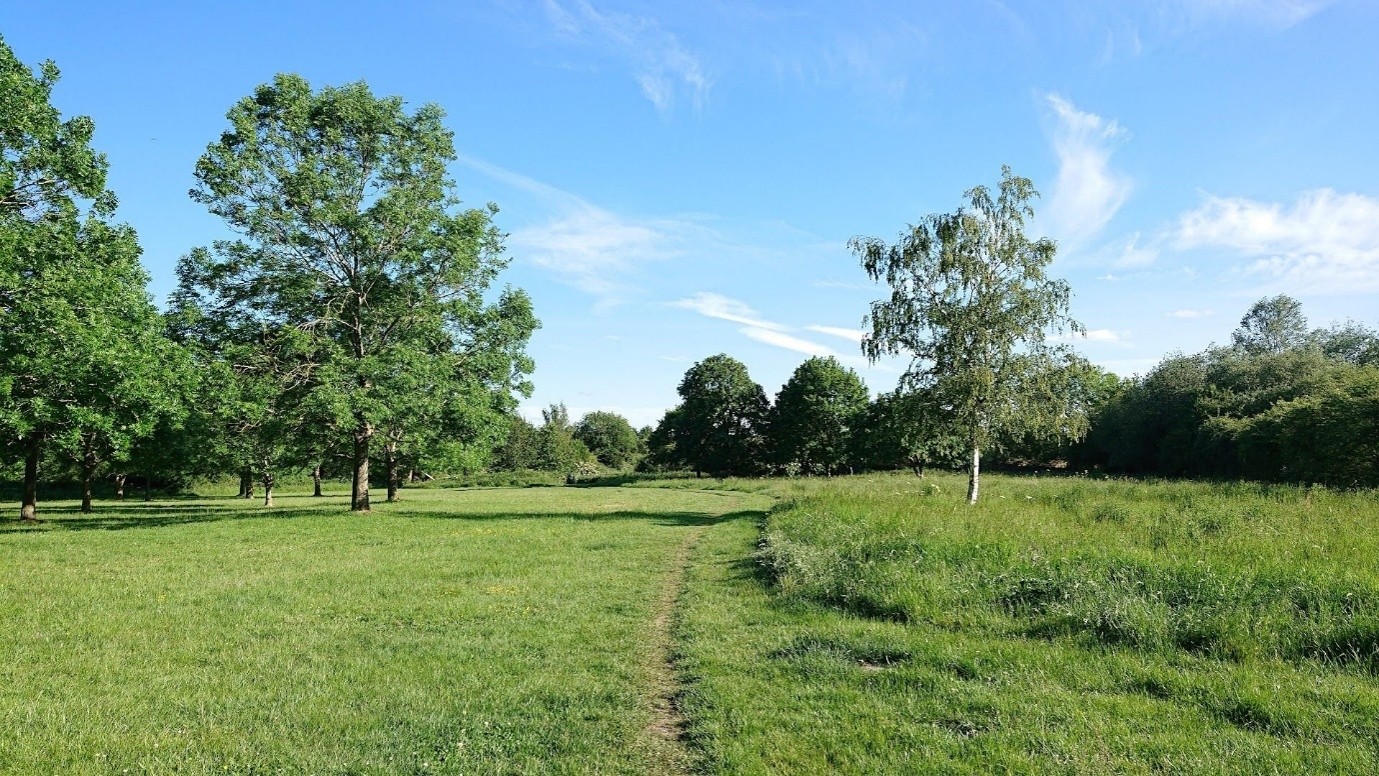
Then we go back the way we’ve come to the open grassland, where the Ash trees and the occasional silver birch stand tall and proud. To your right is a meadow area which, in summer, is alive with the sound of crickets. Knapweed, and other wild flowers are also at home here, spotted orchid has also been found here. Following the grass path, you will walk past the magnificent trees and in-between the meadow strips, coming to the edge of the park. What insects and flowers can you spot along the way?
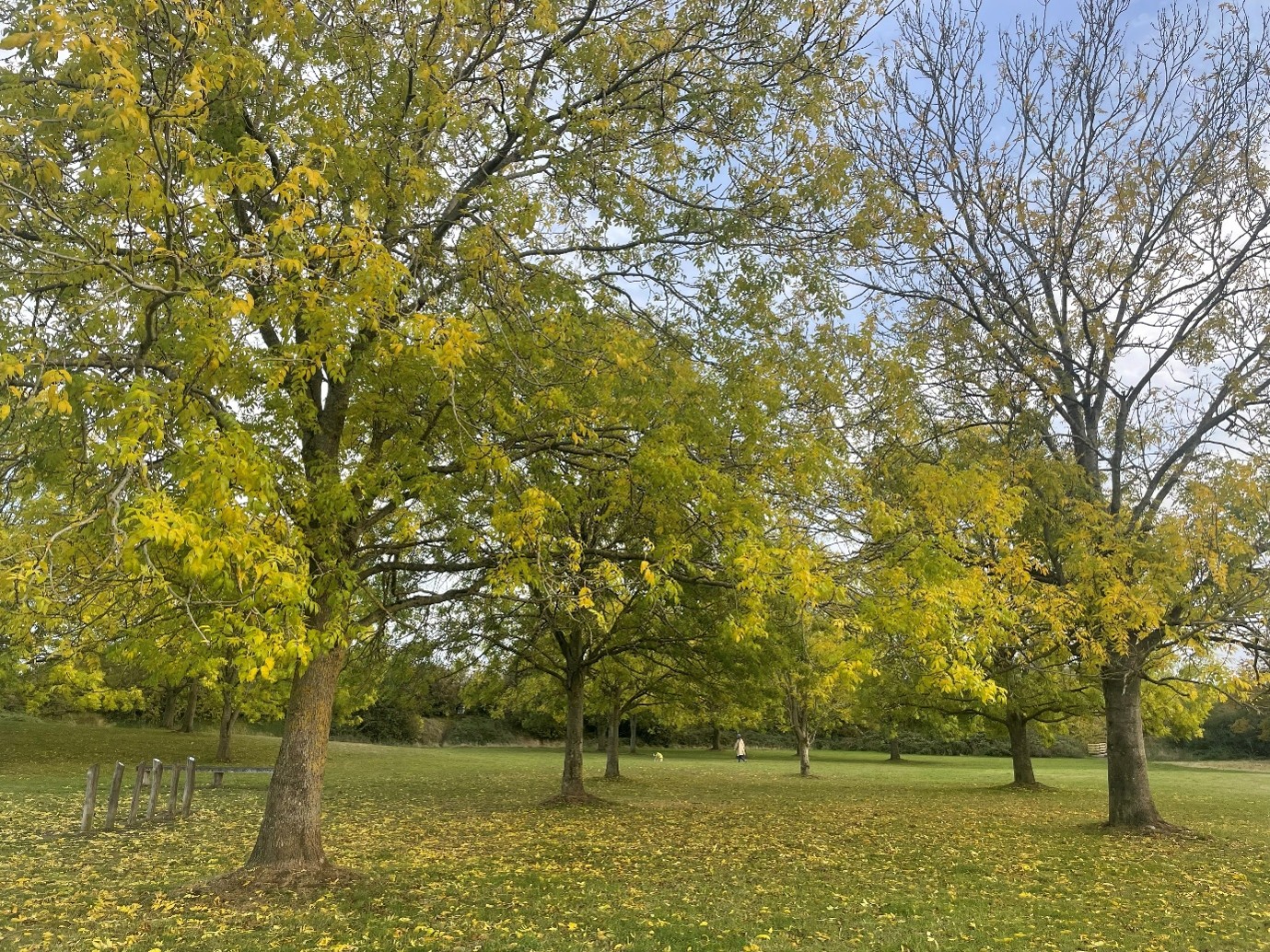
Species you might see or hear:
• Common Spotted Orchid
• Lesser Knapweed
• Yarrow
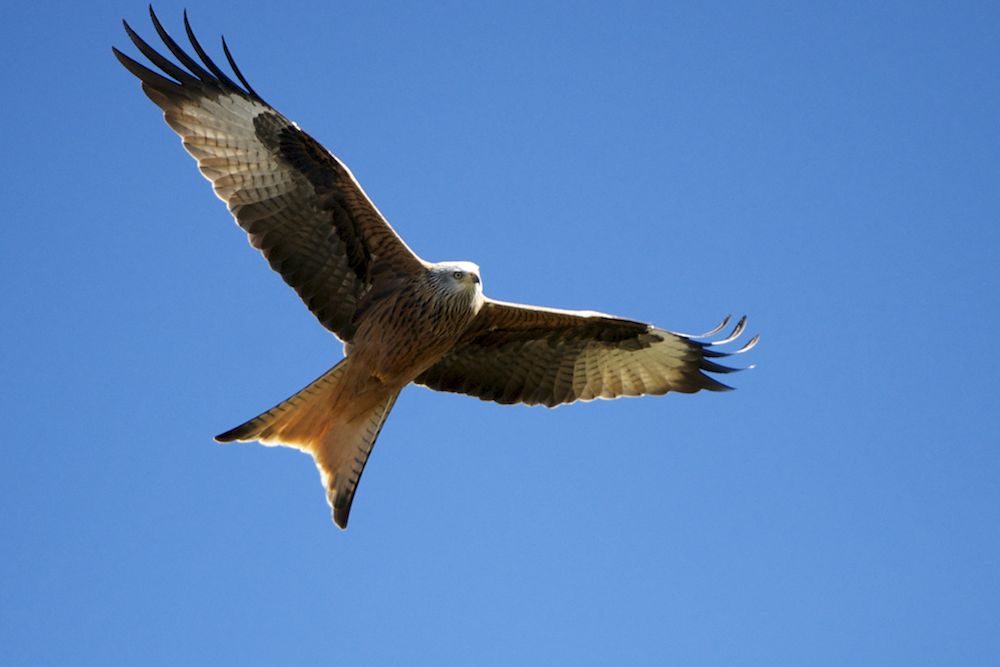
• Red Kite (can you hear them screaming or see them roosting in the trees?)
________________________________________
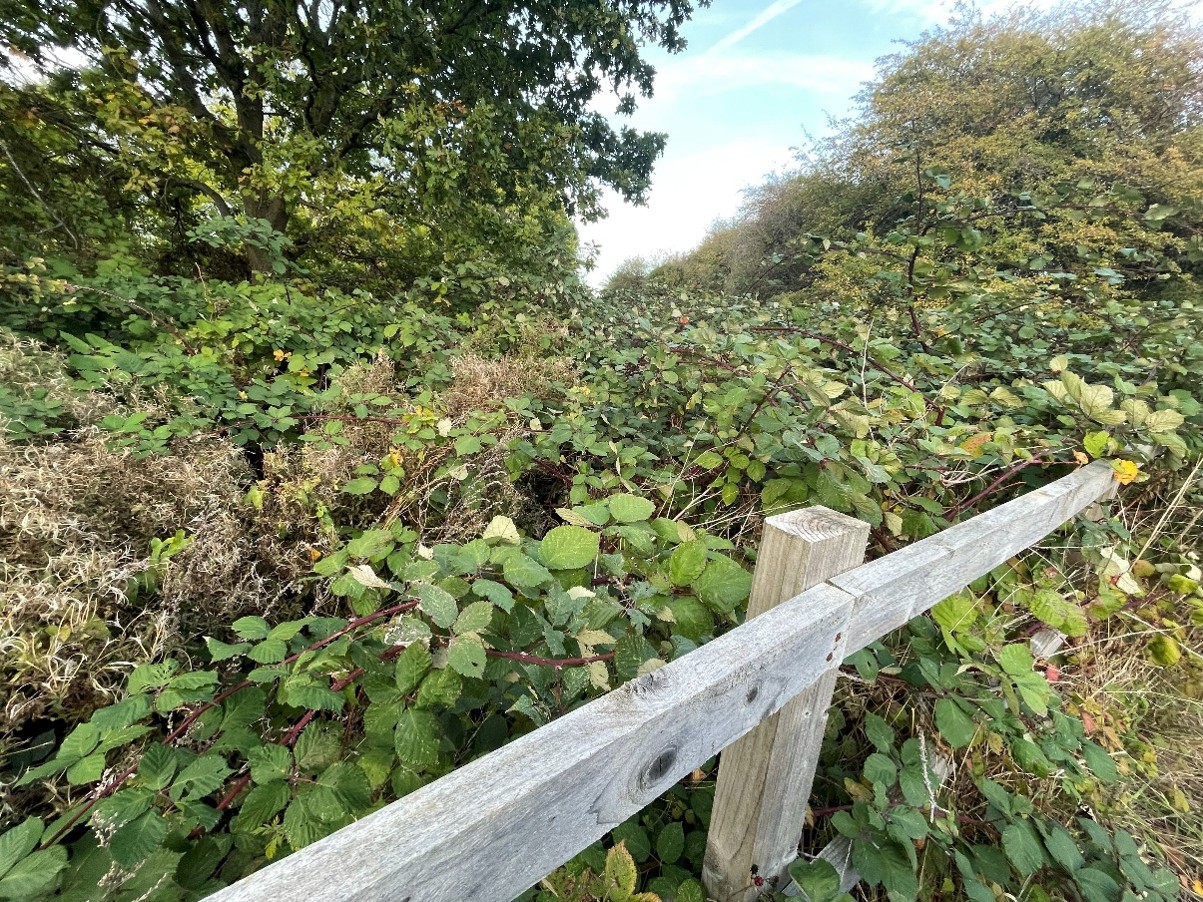
Crossing over the little brook, there is plenty of opportunity for blackberry picking here in the late summer and early autumn. How many different bees, hoverflies and butterflies can you spot? If you cross the bridge and then look to your right, you will see a wildflower bank that’s bright with colour from flowers such as the willowherb in the Spring and summer and is a great place for invertebrates to hibernate during the autumn and winter.
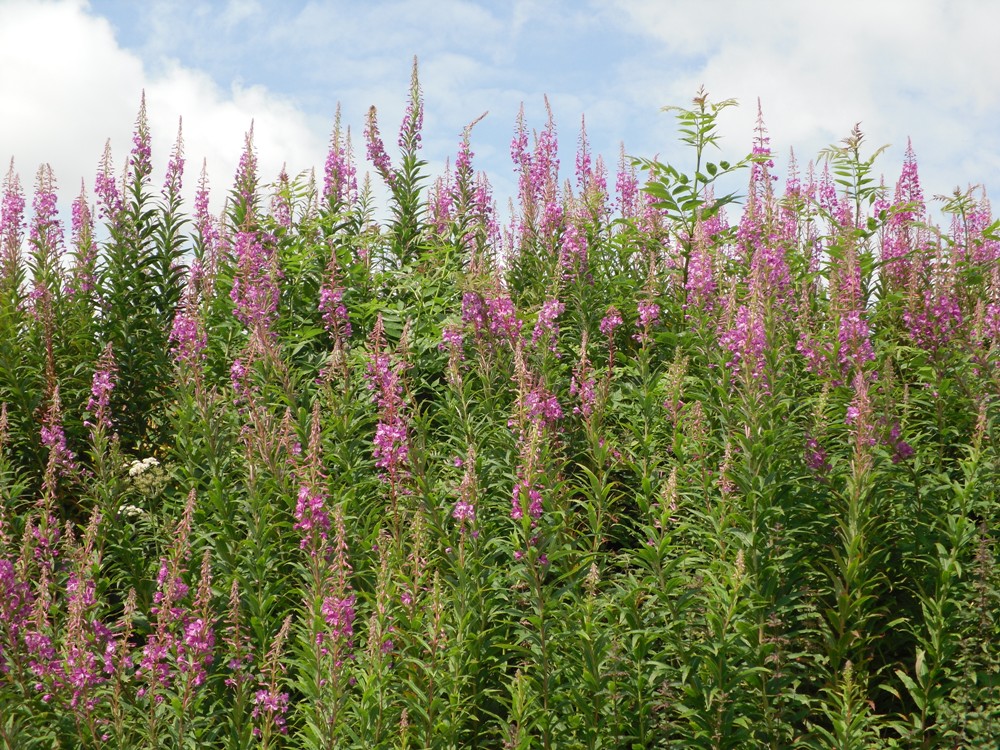
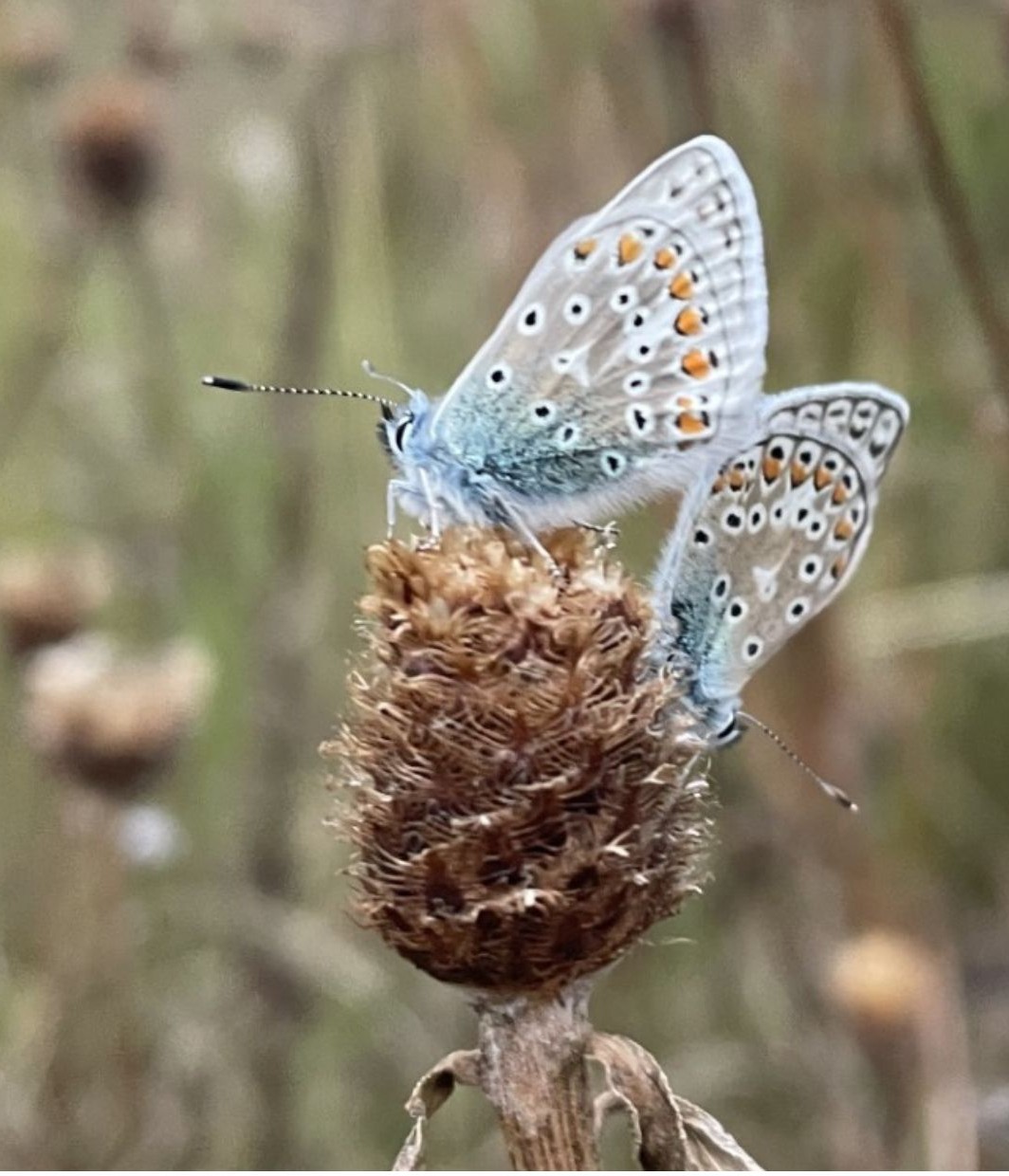
• Willowherb
• Solitary bees
• Hoverflies
• Common blue butterfly
• Painted Lady butterfly
• Wren
Then turn back to your left for some more blackberry foraging opportunities and go towards the bridge.
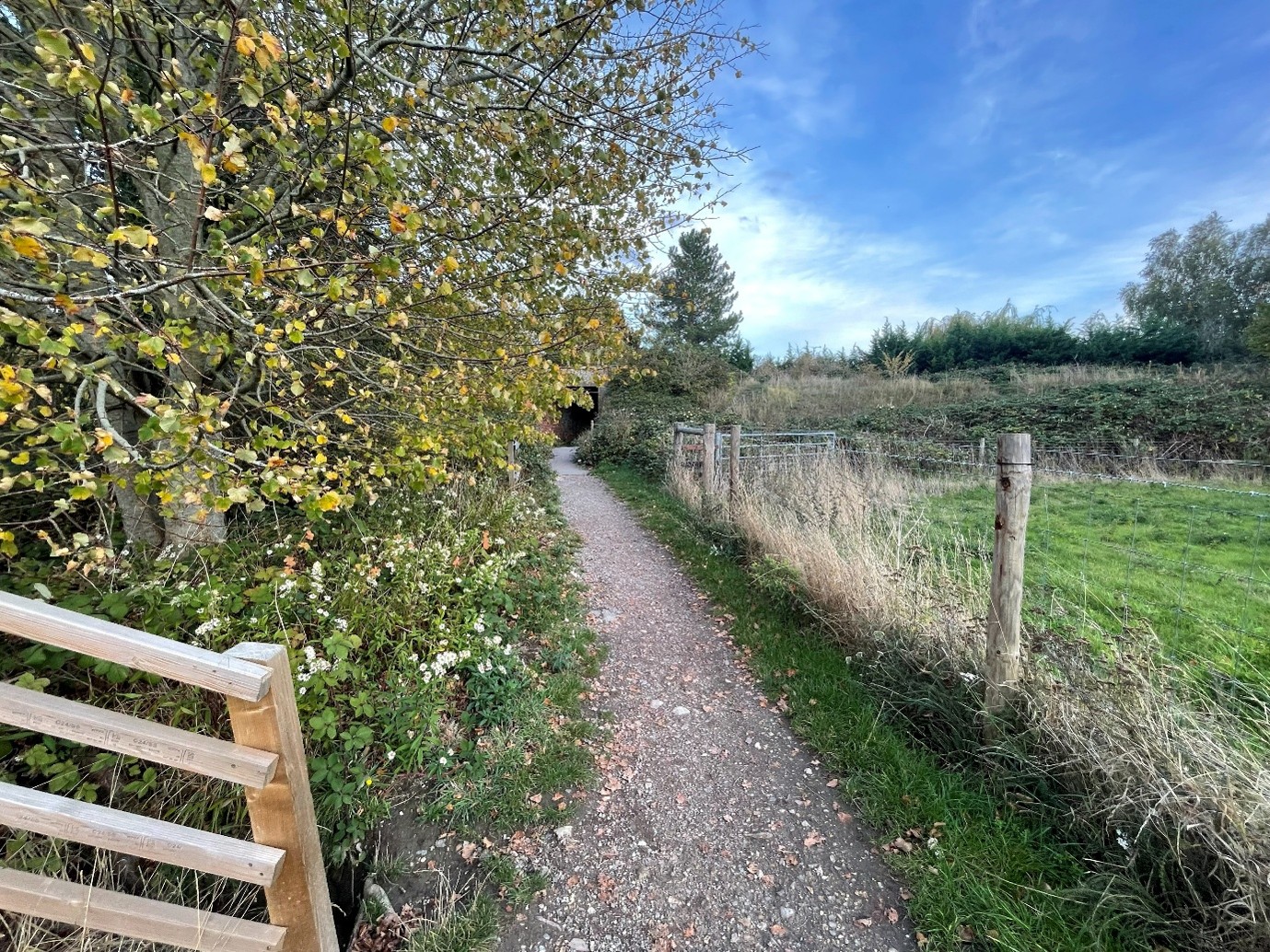
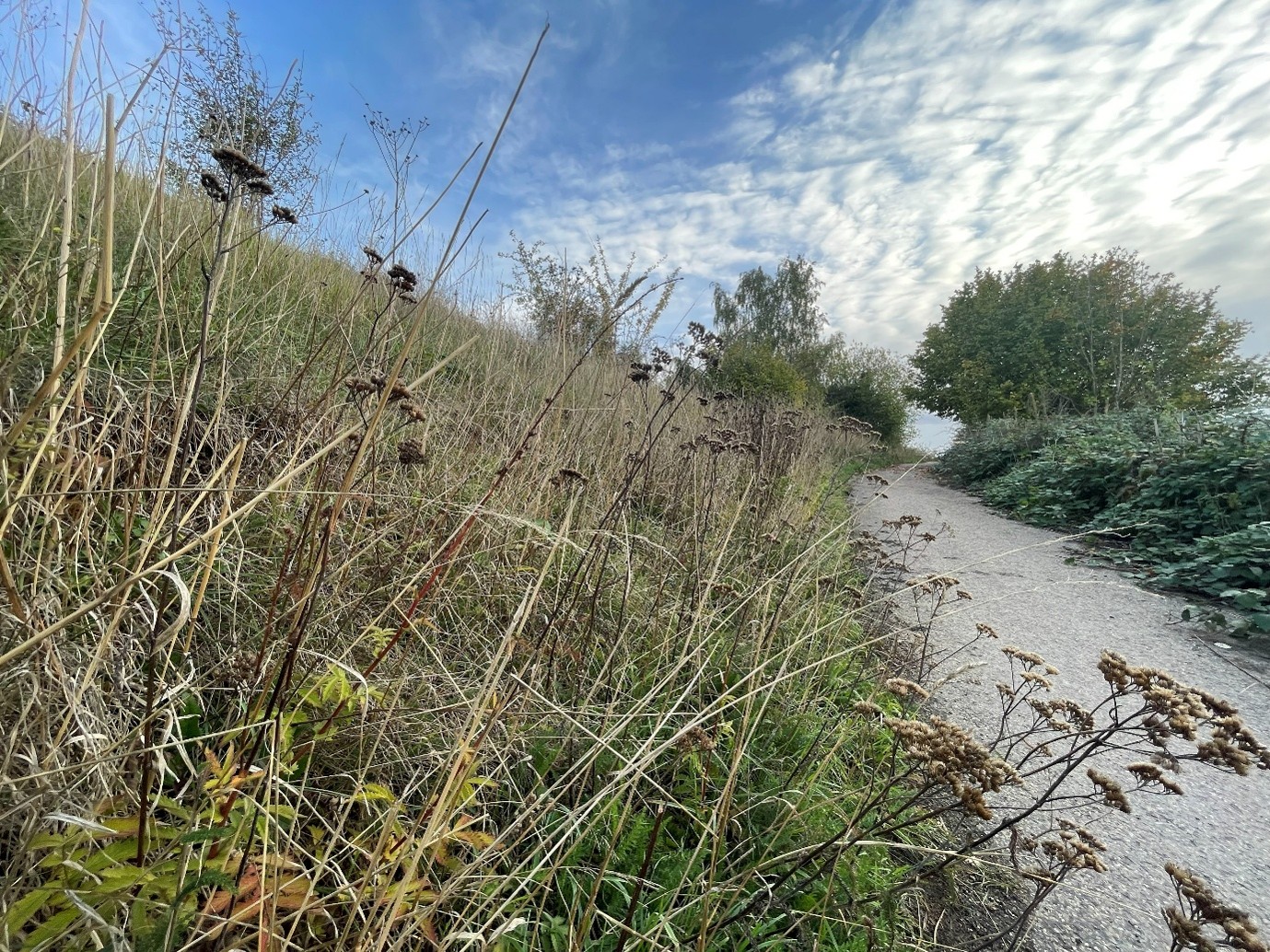
Instead of going under the bridge, take the right to get onto the old railway line, turning left at the top to go to Millennium Woods (or you can go right for a bigger loop to either East or West Hagborne villages)
________________________________________
Various birds have been spotted here including:
• Kestrel
• Skylark
• Black-backed gull
• Jackdaw
• Ring-Necked Pheasant
• Starling
You can see a full bird list for the area, added to by volunteers, here:
BirdList - Mowbray Fields LNR, Didcot, Oxfordshire, England, United Kingdom - eBirdHotspot
________________________________________
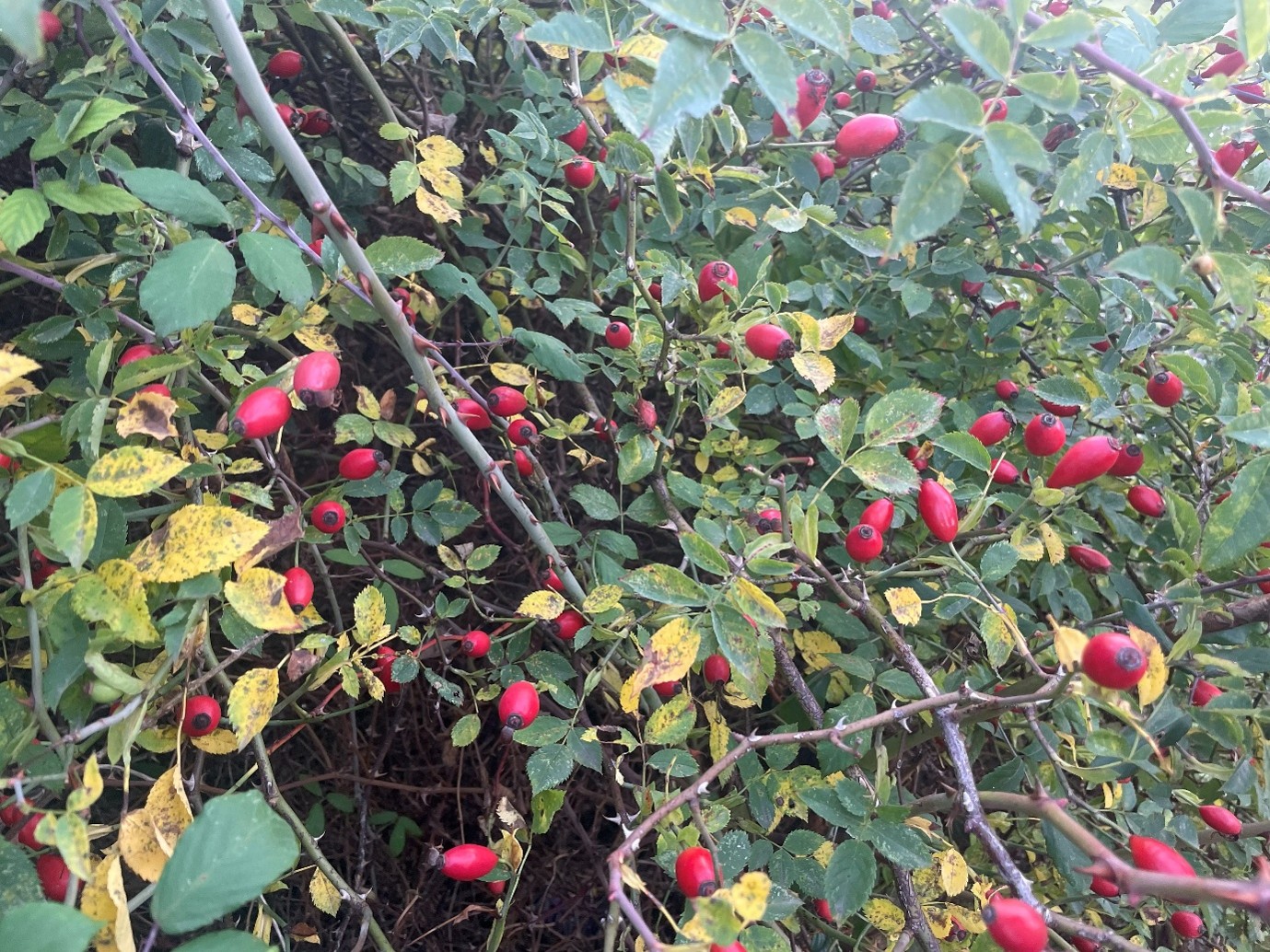
Over the bridge, you come to a natural corridor, dotted with crab apples, wild roses and ivy.
Bats forage through here in the spring and summer months. The mature ivy patches are adored by pollinators, including many different species of bee and hoverfly.
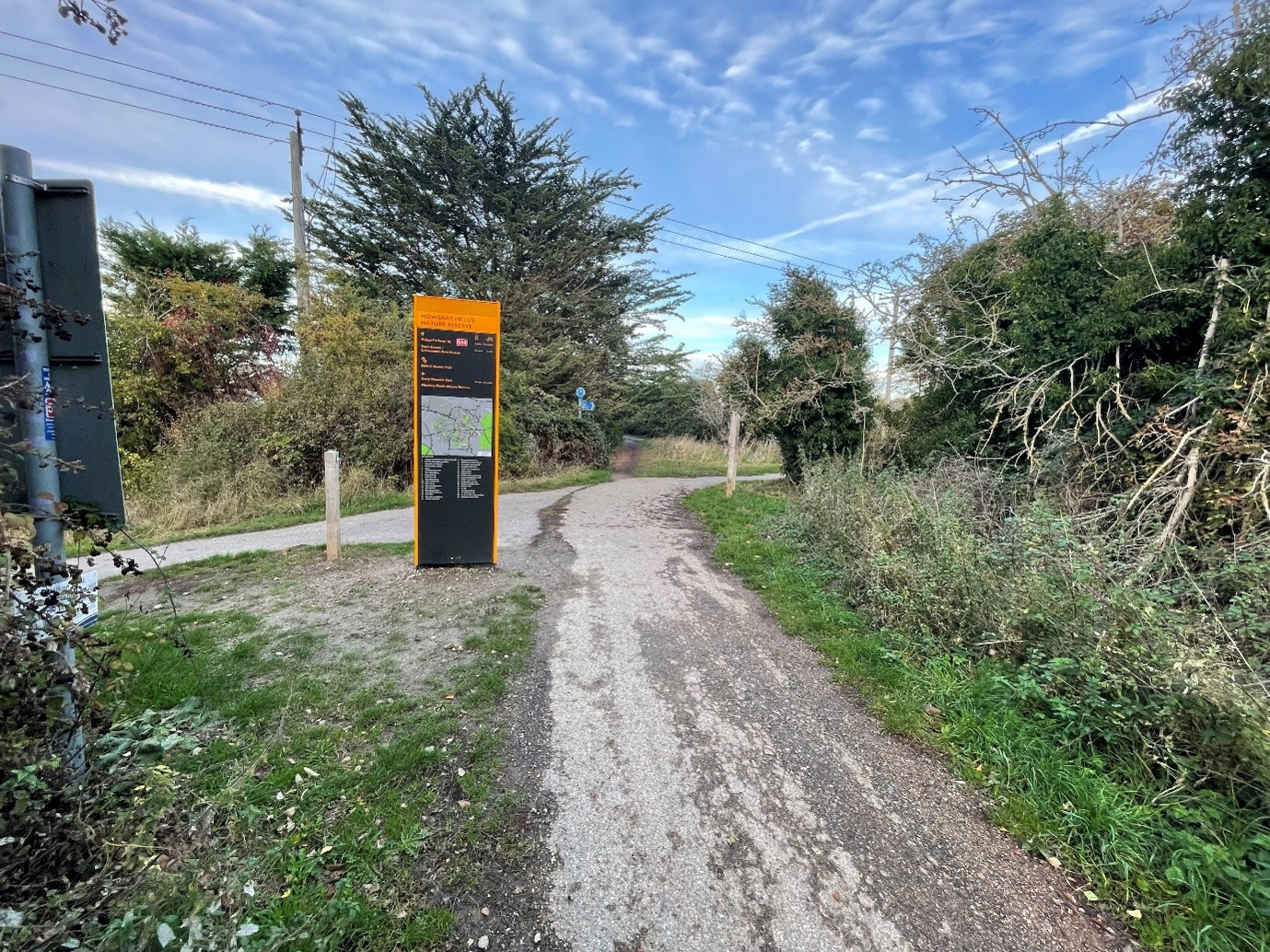
At the junction, turning right will take you to the Horse Chestnut tree on your right. Then, continuing straight across will take you towards the Millennium Woods entrance. Along the way look out for rose hips and sloes.
________________________________________
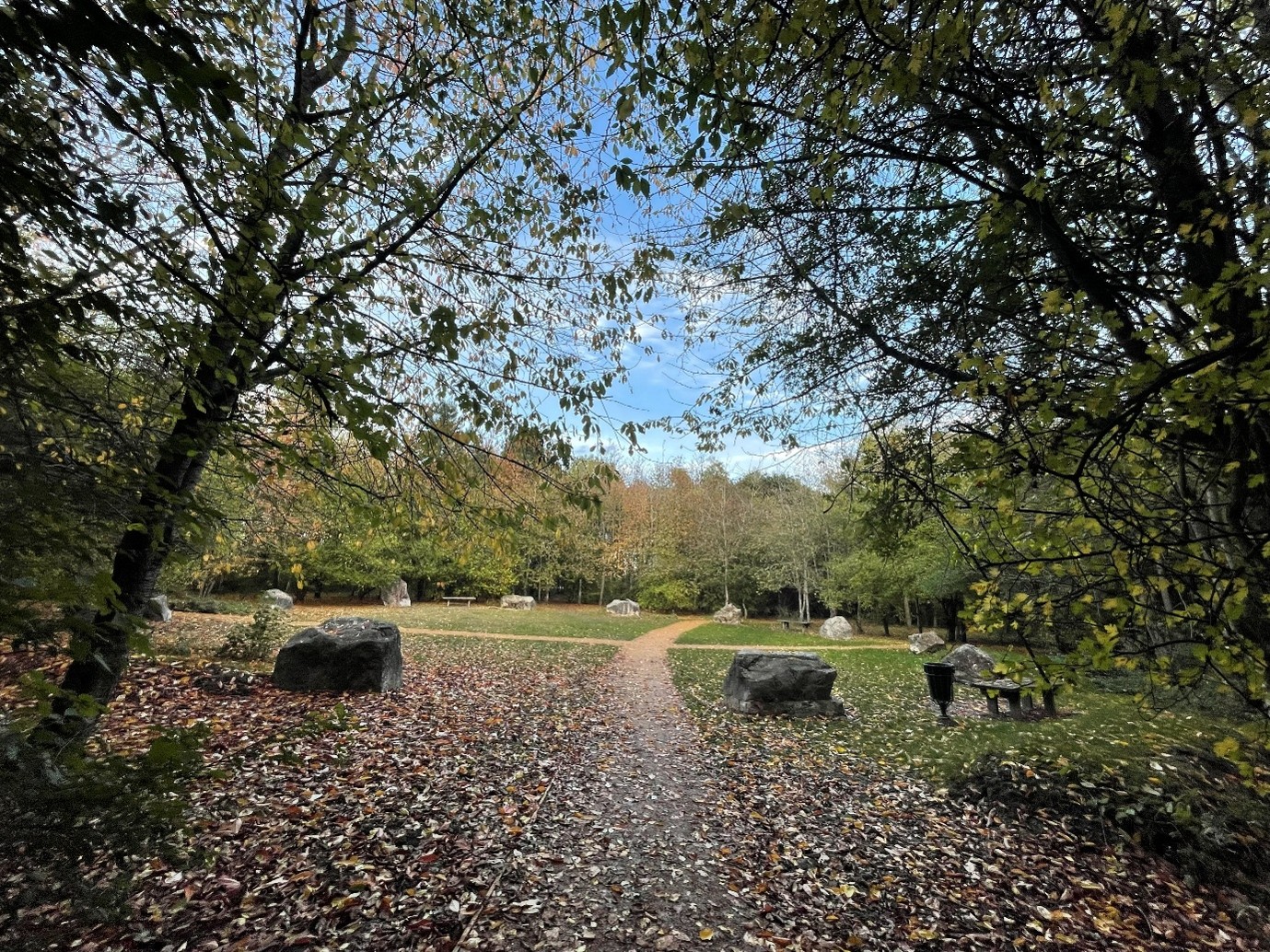
Planted in 2000, Millennium woods is a fairly new, deciduous woodland, with the understory still establishing. Follow the accessible paths to the stone circle and explore the edges to find the pond.
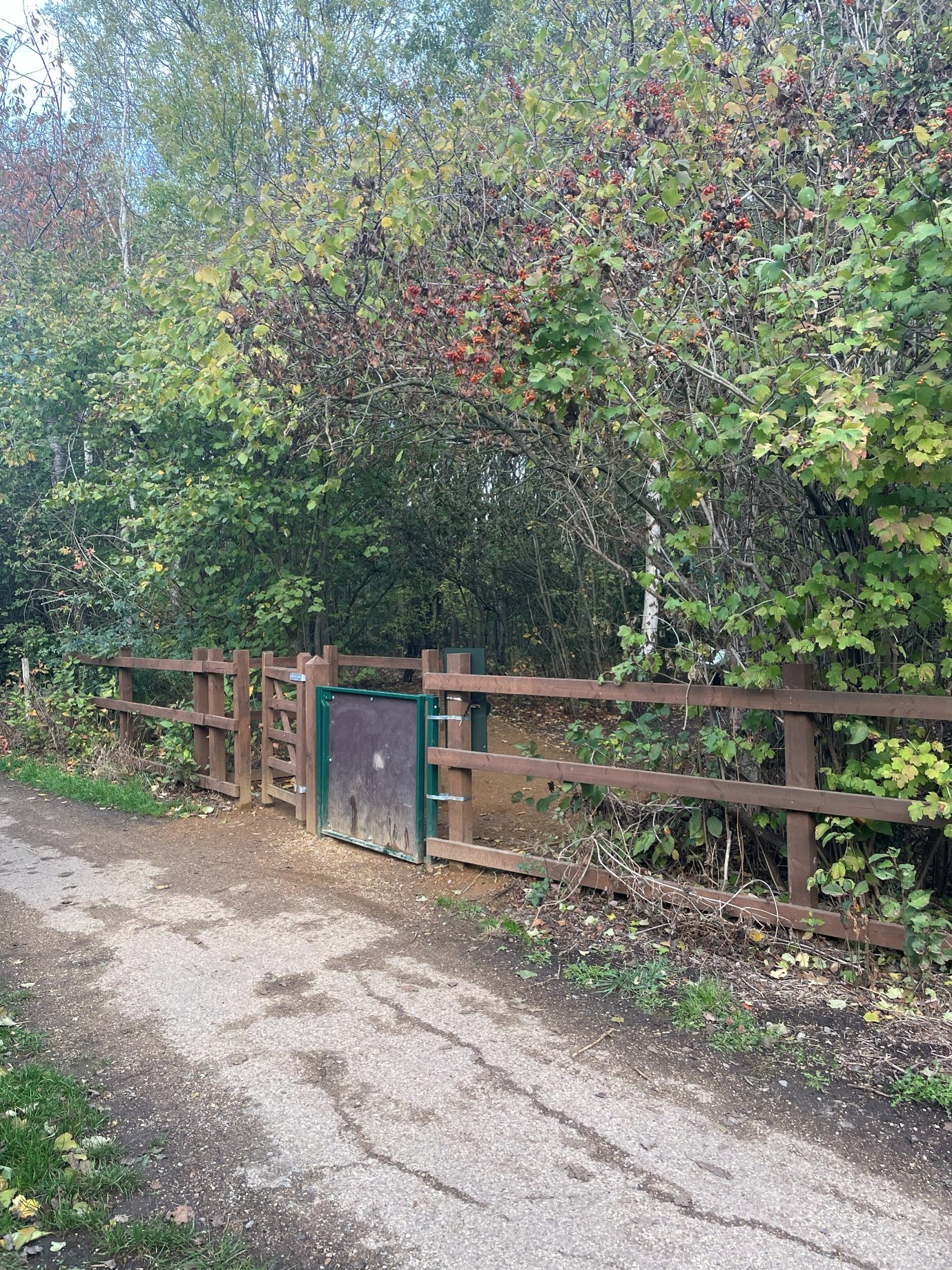
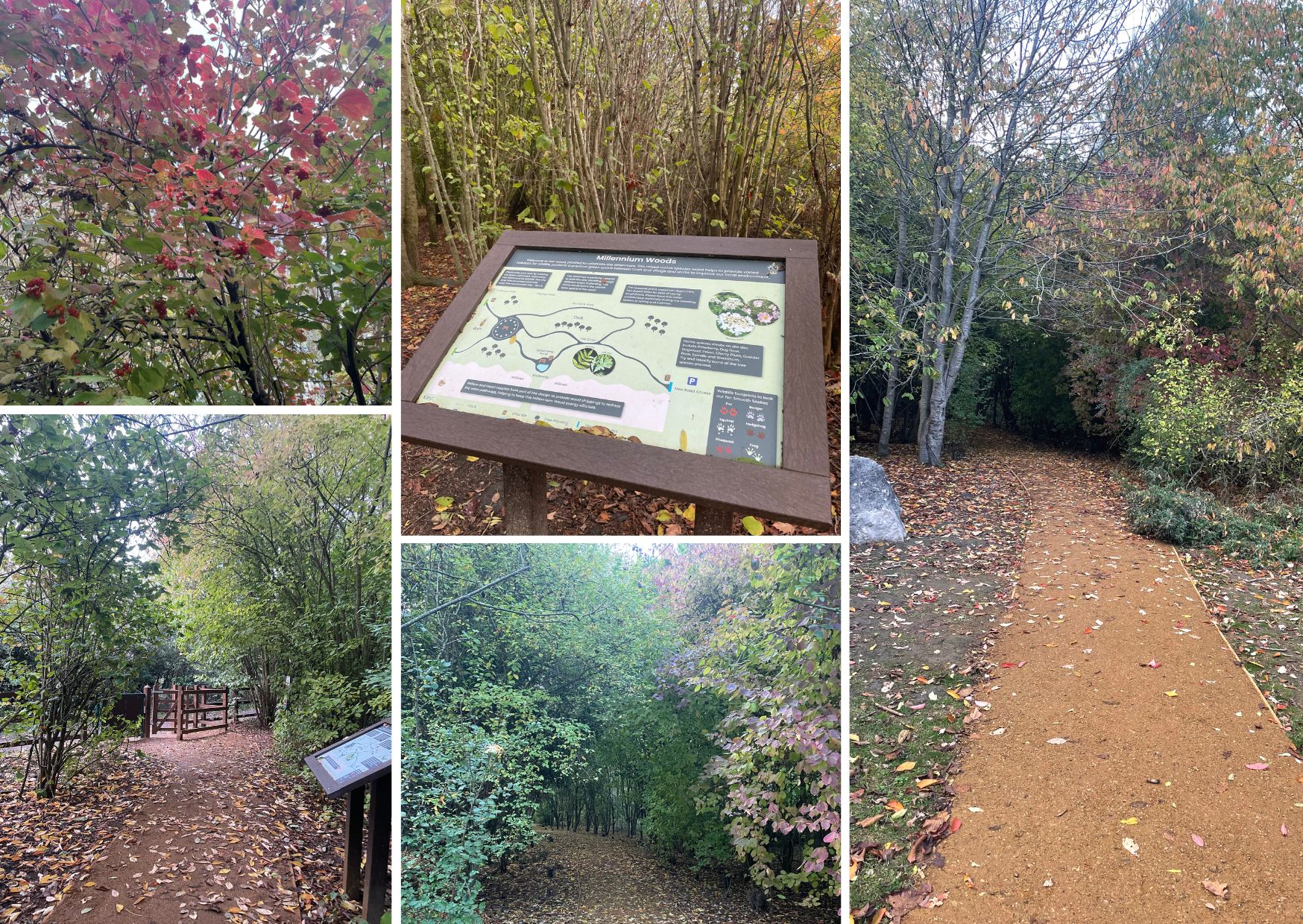
Trees found here include:
• Wild Cherry
• Guelder rose
• Wayfairing
• Silver birch
• Rowan
• Sycamore
• Silver birch
• Spindle
To find out more about Mowbray Fields Nature Reserve head over to The Earth Trust website.
To find out more about Millennium Wood head over to the Didcot Notable Trees Project or Didcot Town Council